Signs Your Roof Needs Repair or Replacement
 Lightning Exteriors
Published on: 05/12/2024
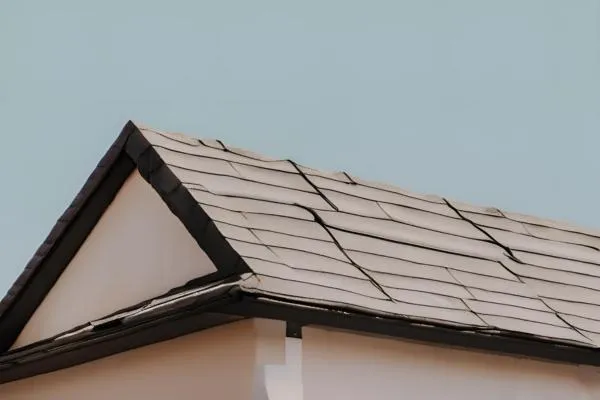
Educate on the early warning signs like missing shingles, leaks, and granule loss.
roof repairroof replacementroofingroofing tipshome tipsroof blog
 Lightning Exteriors
Educate on the early warning signs like missing shingles, leaks, and granule loss.
 Lightning Exteriors
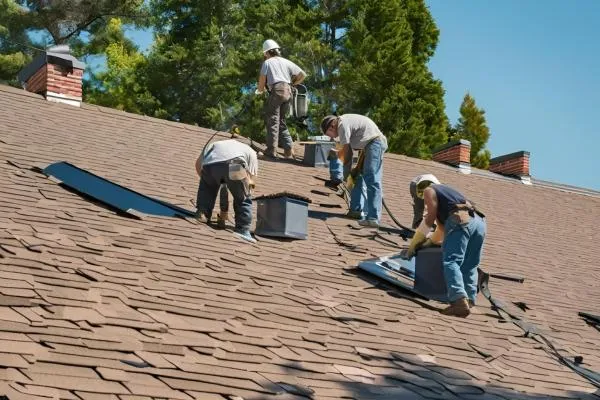
When it comes to maintaining or replacing your roof, choosing the right roofing contractor is crucial. Unfortunately, there are scammers in the roofing industry who prey on unsuspecting homeowners, especially after severe weather events.
 Lightning Exteriors
When it’s time for a roof replacement or repair, choosing the right roofing company is one of the most important decisions a homeowner can make.
 Lightning Exteriors
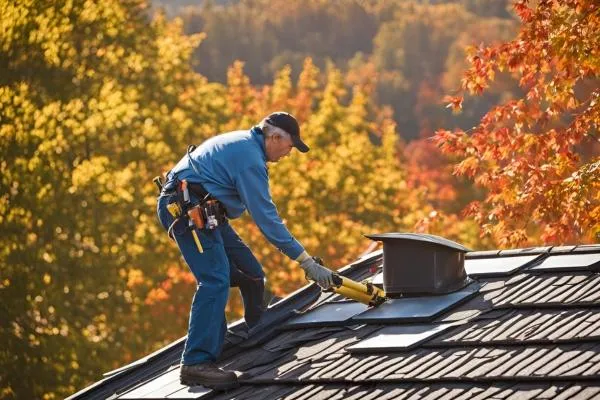
Spring: Inspect and Refresh Spring is an ideal time to inspect for any damage caused by winter weather and prepare your roof for the warmer months. Check for Winter Damage: Inspect shingles for cracking, curling, or missing pieces, which can often result from harsh winter conditions. Clean Gutters and Downspouts: Clear any debris, leaves, or branches to ensure proper drainage and avoid water buildup around your roof and foundation. Inspect Flashing and Caulking: Look around chimneys, vents, and skylights to ensure no gaps or deteriorating caulk, which can allow water to seep in. Remove Moss and Mold: Moss or algae can damage roofing materials. Gently scrub these areas or use a safe, eco-friendly cleaner designed for roofs. Summer: Prevent Overheating As the sun beats down, summer is a great time to maintain your roof’s defenses against heat. Look for Sun Damage: Prolonged exposure to sunlight can cause shingles to warp or crack. Inspect for any signs of wear and tear. Trim Overhanging Branches: Tree branches near your roof can scratch shingles and create a pathway for rodents. Trim branches at least six feet away from the roof to minimize debris and damage. Check Ventilation: Make sure your attic has proper ventilation to help cool your roof, extend shingle life, and reduce energy costs. Inspect for Insect Damage: Termites and other pests can cause structural damage. Check for any signs of insect activity and consider pest control if needed. Fall: Prepare for Cold Weather As fall approaches, preparing your roof can help it withstand the cold, wet months ahead. Clean Gutters Again: Falling leaves can clog gutters quickly. Regularly clear them to prevent water buildup that can lead to roof damage or leaks. Inspect Shingles: Check for any loose or damaged shingles. Fall is a good time to replace them before winter. Look at Flashing and Seals: Confirm that all flashing around chimneys, vents, and skylights is secure. Fixing these before winter can prevent costly water intrusion. Check Insulation: Proper insulation helps prevent ice dams from forming by keeping heat from escaping into your attic. Winter: Be Proactive and Safe Winter weather can be tough on a roof, so focus on being proactive without putting yourself in danger. Look for Icicles and Ice Dams: Icicles may be a sign of poor attic insulation, which can lead to ice dams. Consider adding insulation or ventilation if needed. Remove Snow Buildup Carefully: Heavy snow can strain your roof, especially if your area sees frequent storms. Use a roof rake or hire a professional to safely remove snow. Inspect for Leaks Indoors: Check your ceilings and attic for any signs of water stains or moisture, which could indicate a roof leak. Avoid Walking on the Roof: Walking on an icy roof is extremely hazardous. Let professionals handle any winter roof issues. Year-Round Tips Schedule a Professional Roof Inspection Annually: Having a professional inspection once a year can catch problems you might miss and ensure your roof remains in great condition. Keep an Eye on Your Roof: Regularly look at your roof from the ground, especially after storms, to spot any noticeable issues. Address Repairs Promptly: Minor issues like a missing shingle can quickly turn into major repairs if not addressed.
Claim Your FREE Lightning-Fast Roof Inspection Now!

A+ Rated BBB | Licensed & Insured | 10+ Years Experience